Specialized Medication-Assisted Treatment Near Robbinsville Township, NJ
You don’t have to keep struggling with opioid use on your own. We provide doctor‑guided care to help you regain control of your life. Opioid addiction can take over your daily routine, such as missing work shifts, strained relationships, and daily instability. The constant cravings and sleepless nights can make every day feel like an uphill battle. Our medication-assisted treatment near Robbinsville Township, NJ, is here to break that cycle reliably. With proven medical support, we ease withdrawal symptoms and give you the structure you need to move forward.
Why Quitting Opioids Alone Often Doesn’t Work Without Medical Support
Stopping opioid use on your own often feels possible in the beginning. There is motivation, and the decision feels strong. But after a short time, the body begins to react in uncomfortable ways. Sleep gets disturbed, the mind feels uneasy, and cravings slowly build up again. Daily life starts feeling heavier, and staying consistent becomes difficult.
It happens because excessive opioid use changes how your brain and body function over time. When use is stopped, your system struggles to adjust. The discomfort can feel too strong to manage without help. With our MAT/MOUD program near Robbinsville Township, the process becomes more stable and easier to handle. You are not left to deal with everything alone, and your body gets the support it needs to adjust step by step.
- Comfort During Withdrawal
- Lower Risk of Returning to Use
- Better Focus in Daily Life
- Improved Emotional Balance
Our Reliable 4-Step MAT/MOUD Therapy Process
Our physicians at MyDoctor, P.C., make your recovery simple and clear so you never feel confused or alone. From the first call through ongoing care, our medication-assisted therapy team guides you step by step with full support.
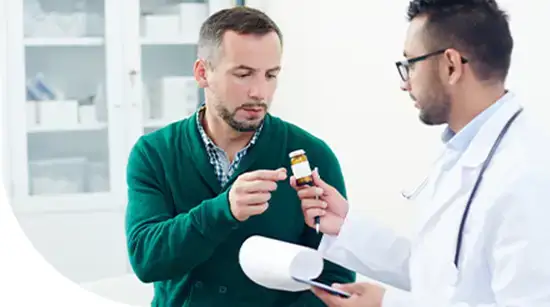
Simple First Contact
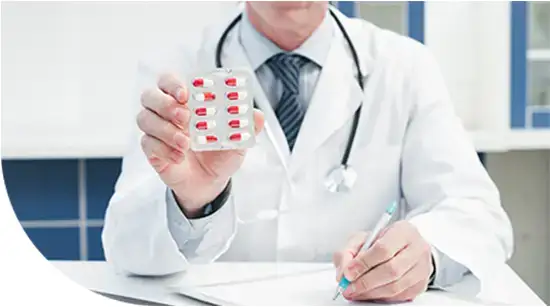
Careful Medical Evaluation
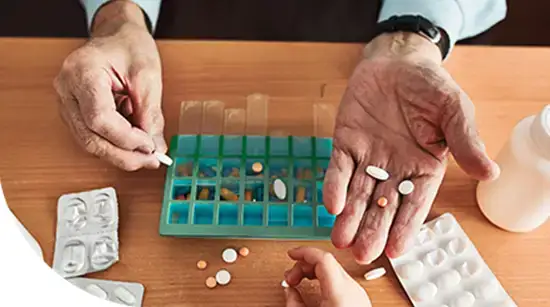
Personalized Treatment Start

Ongoing Support and Progress Care
Who This MAT Recovery Program Is For
If opioid use is starting to affect your daily life, our therapeutic medication-assisted treatment for Robbinsville patients can help you move forward in a stable way. You may feel stuck or tired of trying again and again. Our MAT/MOUD program gives you proper medical support so you don’t have to figure things out on your own.
We treat:
- People who are unable to stop using opioids
- Individuals facing repeated relapse
- Patients dealing with withdrawal symptoms
- Those struggling with daily opioid cravings
- People seeking medically guided treatment
- Individuals ready to regain control
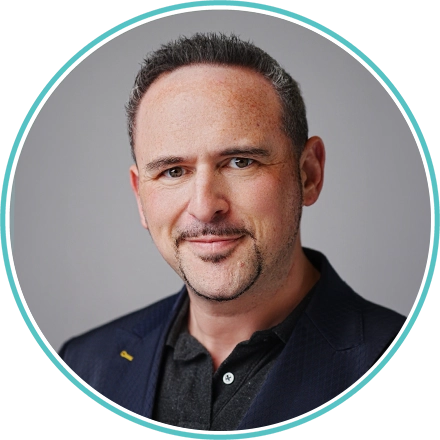
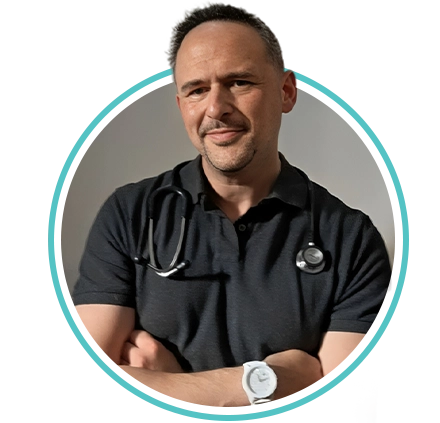
Dr. Eric Osgood
Dr. Eric Osgood, MD, FACP, is board-certified in general internal medicine and has been in practice for ten years. He completed his undergraduate education at Georgetown University, received his medical doctorate from Tufts University School of Medicine, and completed his internal medicine residency at Seton Hall University, St. Francis Medical Center, Trenton, NJ, where he also served as a chief resident.
Between his residency and his time in practice, Dr. Osgood spent nearly a decade serving the Greater Trenton/Mercer community. He returned to St. Francis in 2016, where he became the medical director of hospitalist medicine and an associate faculty member of the internal medicine residency, until the day it closed its doors.
Medication Options Used in Our MAT Program
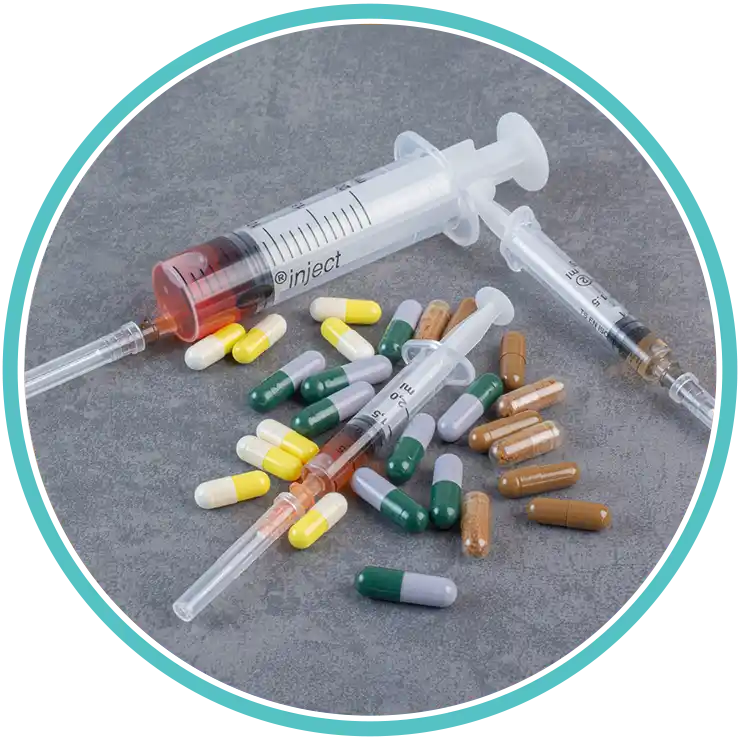
Our medication-assisted treatment program creates a clear path toward stability for individuals who need MAT detox as part of their opioid use disorder treatment. Our specialized doctors prescribe FDA-approved medications such as:
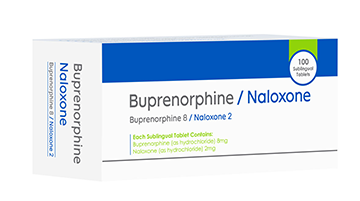
𝐁𝐮𝐩𝐫𝐞𝐧𝐨𝐫𝐩𝐡𝐢𝐧𝐞
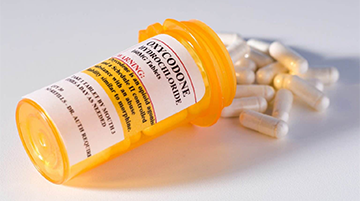
𝐌𝐞𝐭𝐡𝐚𝐝𝐨𝐧𝐞
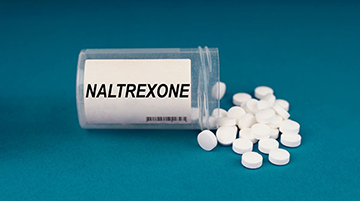
𝐍𝐚𝐥𝐭𝐫𝐞𝐱𝐨𝐧𝐞
We also determine which option is safest and most effective based on your health history and current opioid use.







Send Us Your Queries
Valuable Reviews from Our Patients
Why Robbinsville Residents Choose Our Medication-Assisted Treatment
When you’re looking for help, the place you choose makes all the difference. Too many programs feel cold, treat everyone the same, and leave patients frustrated. Our MAT rehab program near Robbinsville Township, NJ, is built around you. From the stress of cravings to the demands of life, MyDoctor P.C. designs care plans that support your real‑world challenges.
- Our clinic regularly treats MAT/MOUD patients, which improves success rates compared to low-volume providers.
- We understand work, family, and responsibilities continue during treatment. Our scheduling process makes ongoing care more manageable.
- Our MAT program follows proven medical guidelines and is provided by licensed doctors experienced in treating OUD.
- You’re welcomed and supported by a team that checks in, listens, and encourages your overall well-being.
Ready to take the next step in your recovery?
Now is the time to take the first step towards OUD recovery. Book your consultation now to get timely, doctor-guided medication-assisted treatment that helps you regain control.
Frequently Asked Questions
Are MAT treatments costly?
The cost of MAT depends on the medication and the length of care. Many patients find it more affordable than repeated relapses or hospital visits. We explain all costs up front so you know what to expect.
Does your MAT rehab center accept insurance?
Yes. Our MAT/MOUD clinic accepts most major insurance plans. We also help you check your coverage before starting treatment so there are no surprises.
What is the success rate of medication-assisted treatment?
MAT typically achieves success rates of 40–60%, making recovery outcomes much stronger for people facing substance use disorders.
Medication-Assisted Treatment (MAT) for opioid use disorder has 12-month retention rates around 48–57%, which is considered highly successful compared to relapse rates exceeding 90% for abstinence-only approaches. MAT reduces mortality by roughly 50% and improves long-term sobriety outcomes.
How long does medication-assisted treatment last?
Medication‑assisted treatment doesn’t have a one‑size‑fits‑all timeline. Some people use it for a few months to get stable, while others stay on it for years, even long‑term - if it helps them to avoid relapse or cravings.
What is the root cause of every addiction?
There is no single cause of addiction. It usually comes from stress, trauma, mental health struggles, genetics, or repeated substance use. These factors change brain function and make cravings harder to control over time.
What are the cons of MAT/MOUD treatment?
MAT/MOUD can have some downsides like mild side effects, regular doctor visits, and needing time to find the right dose. However, a specialized medication-assisted treatment makes the process easier.